Gutter Installtion Mistakes Homeowners Should Avoid in Windermere
Homeowners in Windermere and the surrounding areas often install gutters to protect their homes from water damage caused by heavy rainfall, humidity, and seasonal storms. Proper installation is important because even a small mistake can lead to long-term problems such as roof leaks, foundation issues, soil erosion, and damage to siding. Understanding which mistakes to avoid helps homeowners protect their investment and maintain a strong drainage system throughout the year.
What Happens When Gutters Are Installed Incorrectly?
Incorrect gutter installation can lead to water overflowing during rainfall, pooling near the home’s foundation, and damaging walls or landscaping. When gutters do not carry water away properly, moisture can seep into the roof structure and cause wood rot. Over time, these problems become costly, requiring major repairs that could have been prevented with correct gutter placement and alignment.
Why Is Choosing the Wrong Gutter Size a Serious Mistake?
Many homeowners underestimate the importance of choosing the correct gutter size. If the gutters are too narrow, they will not be able to handle heavy rainfall. This leads to water spilling over the edges and damaging the home’s exterior. Larger roofs require wider gutters to manage increased water flow. The size should always be selected based on the roof slope, rainfall intensity, and the home’s overall drainage needs.
Why Do Improper Slope and Alignment Affect Gutter Performance?
Slope is one of the most common installation mistakes. If gutters are installed without the right slope, water will sit inside instead of flowing toward the downspouts. Standing water creates weight that pulls gutters away from the roofline over time. Too much slope can also cause water to rush too fast and overshoot the downspout. Achieving a balanced slope ensures smooth, uninterrupted water flow during any rainfall.
Why Should Homeowners Avoid Using Low-Quality Materials?
Low-quality gutter materials may save money initially, but they wear out much faster. Thin or cheaply manufactured gutters bend easily under pressure from water or debris. They may rust, leak, or crack, especially in humid or storm-prone areas. High-quality aluminum, copper, or seamless gutters provide far better durability and reduce long-term repair costs.
How Does Poor Fastening Cause Gutter Failure?
If gutters are not securely fastened with strong hangers, they may sag or detach from the roof over time. Wind, water weight, and debris buildup put constant pressure on the gutter system. Strong, corrosion-resistant brackets ensure the gutters stay firmly attached, even during heavy storms
Why Is Neglecting Sealing and Joint Protection a Common Issue?
Gutter joints and seams are vulnerable to leaks if they are not sealed properly during installation. Water can escape through small gaps and run down the side of the home, leaving stains or causing mold growth. Applying high-quality sealant and ensuring tight connections help prevent slow leaks that often go unnoticed until damage is extensive
What Happens If Homeowners Install Gutters Without Adequate Roof Overhang Consideration?
Gutters must be aligned exactly under the roof edge to catch runoff effectively. If installed too far inward or outward, water may bypass the gutter completely. Proper placement ensures rainwater flows directly into the gutter channel rather than dripping behind it or falling in front of it.
Should Homeowners Attempt Gutter Installation on Their Own?
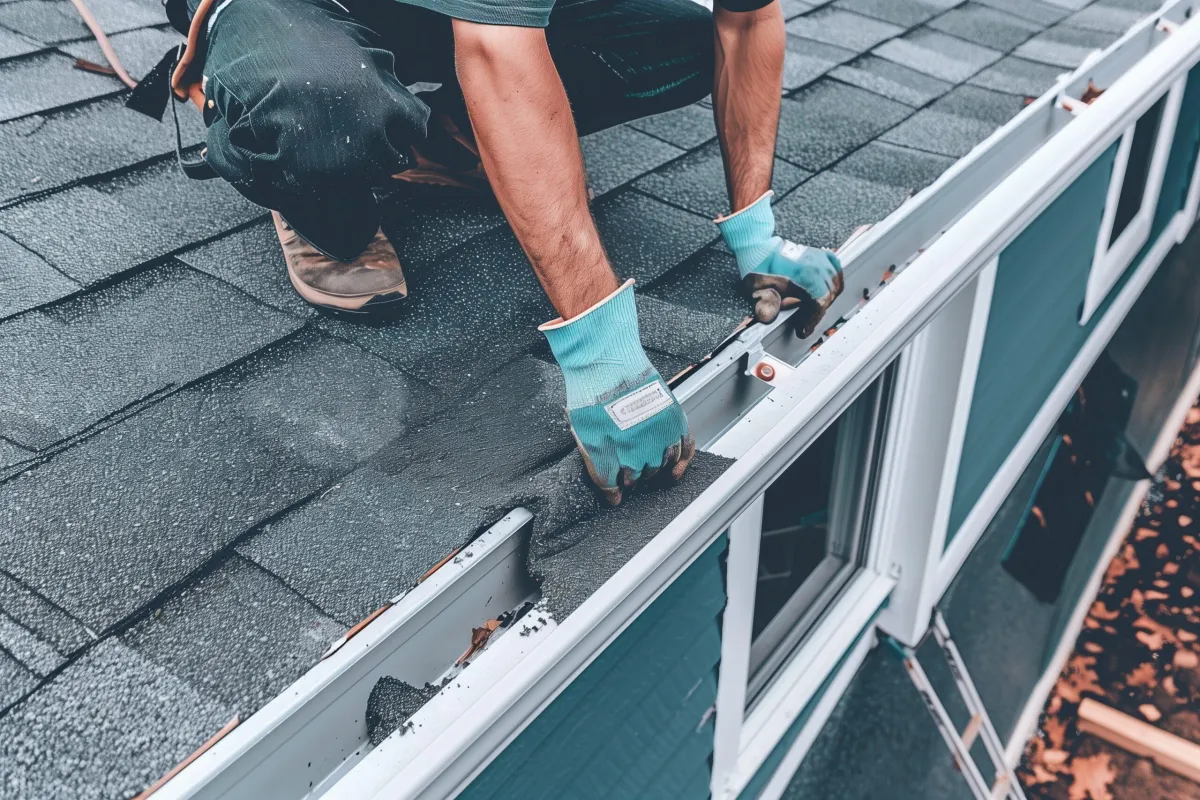
While DIY installation is possible, it requires precise measurements, proper tools, and a clear understanding of drainage systems. Mistakes often happen when homeowners try to cut costs. Hiring a trained professional ensures the gutters are installed securely, correctly, and according to the home’s structure
Final Thoughts
Understanding common gutter installation mistakes helps homeowners avoid expensive repairs and maintain a safer, more efficient water-management system. Proper installation protects the roof, foundation, walls, and landscaping from long-term water damage. Whether installing new gutters or replacing an old system, careful planning and attention to detail make all the difference. When in doubt, working with a trained professional ensures lasting protection and peace of mind.
How long should a properly installed gutter system last?
A well-installed system using quality materials can last 20–30 years with regular cleaning and maintenance.
Is seamless gutter installation better than sectional gutters?
Yes, seamless gutters reduce the risk of leaks because they have fewer joints.
How far should downspouts drain water away from the home?
Ideally, downspouts should release water at least 4–6 feet away from the foundation.
Are gutter guards worth adding after installation?
Yes, they significantly reduce clogs and lower maintenance needs.
How often should gutters be inspected after installation?
Twice a year is recommended, especially before and after storm seasons.
Address: 3236 Scallion Ct, Orlando, FL 32825
Phone: (407) 794-2820
Email: [email protected]